What is sensory play?
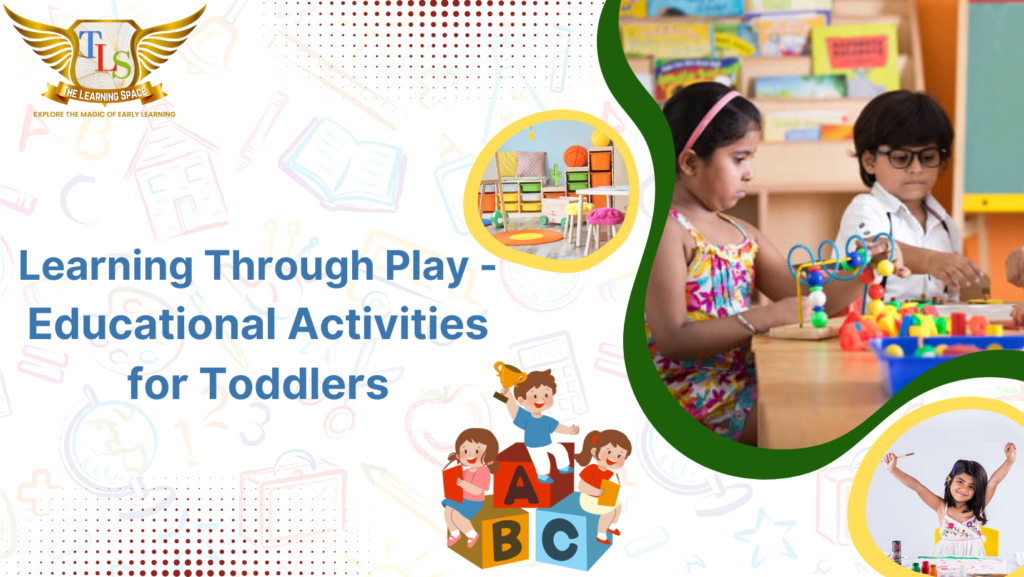
Sensory play includes activities that engage a young child’s senses, including touch, sight, hearing, smell, taste, movement, and balance. Through these activities, children explore the world around them using their senses and bodies. Children engage in sensory play activities such as discovery tasks, creative play, and investigations.
Why Is Sensory Play Important for Kids?
- Sensory play activities are essential, besides keeping children entertained. They help strengthen connections in the brain that support children’s development.
- Sensory activities promote language and communication skills as children learn new words.
- Sensory play enhances thinking and learning abilities as children solve simple problems during play.
- Moreover, sensory play activities give children freedom to be creative.
- It also improves hand-eye coordination.
list of Different Types of Sensory Activities
Below are different sensory activities for children that target specific body senses.
1. Tactile
- Rainbow rice sensory bin for kids
- Kinetic sand play therapy
- Play Dough modeling
- Finger painting using bright-colored paints
- Foam or shaving cream writing
2. Visual
- Color sorting activity using pom-poms
- Rainbow scavenger hunt
- Shadow matching game
- I spy visual attention game
- Shape sorters
3. Auditory
- DIY musical instruments
- Sound-matching game using different containers
- Guess the sound game
- Nature sound activity
- Clapping rhythm game
4. Smell Activities
- Smell-guessing game using different jars
- Herb garden exploration
- Scented Play Dough
- Spice guessing game
- Smelling citrus fruits
5. Taste Activities
- Fruit tasting activity for kids
- Tasting different flavors: sweet, salty, sour, bitter
- Blindfold food tasting game
- Making a smoothie
- Tasting different vegetables
6. Movement and balance
- Obstacle course
- Swinging
- Hopscotch game
- Trampoline challenge
- Dancing game
7. Body awareness
- Toy cart pushing activity
- Wagon pulling activity
- Carrying books activity
- Wheelbarrow walking
- Bear crawling
Tips for Safe Sensory Play
Below are some of the do’s and don’t that parents should consider when engaging in sensory play with their children.
- Supervise children during play
- Keep small objects away from toddlers
- Use child-safe materials during play
- Keep the play area clean
- Do encouraging activities to promote gentle play
Conclusion
Sensory play is an excellent way of boosting a child’s curiosity, motor skills, and creative skills. Parents who want to provide their children with quality learning opportunities can consider enrolling them in a reputable Preschool in Noida or a reliable daycare in Noida.
FAQ’s of Sensory Play Activities for Kids
When can you start sensory play?
You can start sensory play with your child from birth. At this stage, you can engage them in sensory activities such as tummy time, listening to music, and feeling different materials.
How can I incorporate sensory play at home?
Some sensory activities for kids include tactile play using play dough, visual play using color sorters and shadow play, and auditory play using DIY musical instruments.
What are some safe sensory play materials for kids?
Safe materials for sensory play include water, food-grade or homemade Play Dough, large wooden blocks, items such as pasta and cooking oil, sponges, child-safe finger paints, and soft fabrics.
Is sensory play good for toddlers and preschoolers?
Yes, sensory play is good for toddlers and preschoolers. For instance, it helps toddlers develop motor coordination and communication skills, while preschoolers can develop social skills, creativity, and problem-solving abilities.
How does sensory play help child development?
Sensory play supports motor skill development, cognitive development, social interaction, and children’s ability to cope with different experiences.