The Learning Space

Author name: ebusinessmakers

Three-Letter-Words-for-Kids-in-English
Blog

Three Letter Words for Kids in English

Three letter words are great! They are small, simple, and easy to remember. You can use these words to help your kids learn to read with excitement. These words are formed using common sounds that are also very quick to pronounce. Therefore, learning three letter words for kids is a solid way to build the foundation. If children get the habit of practicing such simple and very useful words each day in their reading, speaking, and writing, they will be getting better and better. What are Three Letter Words in English? Three letter words in English refer to those that contain only three letters, for example, “cat,” “dog,” and “sun.” These types of words are very easy to read and understand. They often follow standard phonics rules. Thanks to their simplicity, children will be able to get to them quickly and, in no time, prepare small sentences only by using these common and handy words. List of Three Letter Words A to Z Here are three-letter words from A to Z that your kids can use during their gradual learning process to boost and enhance their word skills. A B C Ant Bet Cow Ape Bad Cut Ace Bag Cat Act Box Can Add Boy Car Ask Bus Cup D E F Dog Egg Far Dig Ear Fix Den Eat Fit Day End Fox Dry Era Fly Dot Eye Fan G H I Gun Hen Ice Gap Hat Ink Get Hop Ill God Hot Its Got Has Ivy Gas Him Ion J K L Jug Kid Lap Jet Key Lip Jam Kit Log Joy Ken Leg Job Kin Lot Jar Keg Lid M N O Mat Not Owl Mug Net Own Man Nap Old Map Nut Oil Mix New One Mud Nod Out Q R S Qat Rat Sit Qqv Run Sun Qrs Reg Sip Qto Rug Saw Qts Rip Set Quo Row Sad T U V Try Use  Van Tap Urn Vet Ten Ump Vat Tip Udo Vow Top Ute Via Toy Ugh Veg W X Y Win Xis (plural of xi) Yes Wig Xat (rare) Yak Wax Xed (rare) Yum War Xor (technical) Yip Way Xan (rare) Yet Z Zip Zoo Zap Zig Zen Zed Why Are Three Letter Words Important for Kids? If you want your kids to be strong in reading and speaking, three letter words are a great place to start. 1. Building Reading Skills  Three letter words allow kids to associate the letters with the sounds they make together. This way, reading becomes less of a chore and more of a game. 2. Improving Pronunciation Three-letter words help improve children’s pronunciation from an early age and even the correct mouth formations and pronunciation get their habits ingrained with the help of these words. 3. Boosting Vocabulary  Learning a few more three letter words will significantly enlarge a child’s vocabulary. They will get to use more words in their conversations throughout the day. As a result, it gives them an opportunity to express their ideas more effectively. 4. Creates a Strong Learning Base The use of three letter words in English provides a good foundation for learning. When the children comprehend these words, they can then easily transition to larger words. It also facilitates learning to be smooth and effortless in the future. 5. Enhancing Confidence Every time kids are introduced to new words, they get a sense of satisfaction and accomplishment. They gain confidence when they read simple words independently. Besides, they even become more lively in class and at home. Fun Ways to Teach Three Letter Words to Kids It can be great fun, a play, and full of joy to teach three letter words for kids. 1. Flashcards Kindly use those colorful flashcards, which have both pictures and words. In this way, kids can simultaneously see and read a word. Hence, it makes learning a quick and enjoyable process.  2. Phonics Games Engage in sound-based games with children. Have them pair the sounds with the corresponding letters. This helps them understand how words are formed but also enhances their reading competencies. 3. Rhyming Games Acquaint children with words that rhyme, such as “cat,” “bat,” and “mat.” Rhyming is not only a pleasurable activity but also a learning accelerator.  4. Word Building Provide letters to kids and encourage them to construct words. This is a tactile learning approach that supports them in figuring out the composition of words. Additionally, it benefits them in reasoning and spelling abilities. 5. Story Time Select stories based primarily on three-letter words. Children get engaged with the narrative and simultaneously pick up new terms. Moreover, this kind of reading stirs an eagerness to read on a daily basis. Conclusion Using three-letter words is a wonderful way to initiate young children’s educational experience. Not only are they straightforward, entertaining, and handy, but these words can be easily taught by parents and educators through simple approaches. Lists of three-letter words are a key part of many preschool and daycare in Noida for strengthening the foundations of children’s learning. Why should kids learn three letter words first? FAQ’s The reason is that they are simple to decode and help children grasp the fundamental components of the language, like the sounds and the familiar patterns of the words. At what age should kids learn three letter words? The age range for children to begin learning three-letter words is roughly from 3 years to 5 years old. What are the most common three letter words? Examples of regularly used three-letter words are cat, dog, sun, pen, cup, and bat. How to introduce three letter words? One can introduce three-letter words by starting with the basic sounds, incorporating images, and having daily practice sessions with enjoyable games. What are 10 positive words? A few of the positive words could be joy, fun, win, yes, wow, hug, sun, big and new. How Are Three Letter Words in English Helpful? First of all, they help develop a person’s skills in reading, verbal communication, and writing,

Simple-Yoga-Poses-for-Kids
Blog

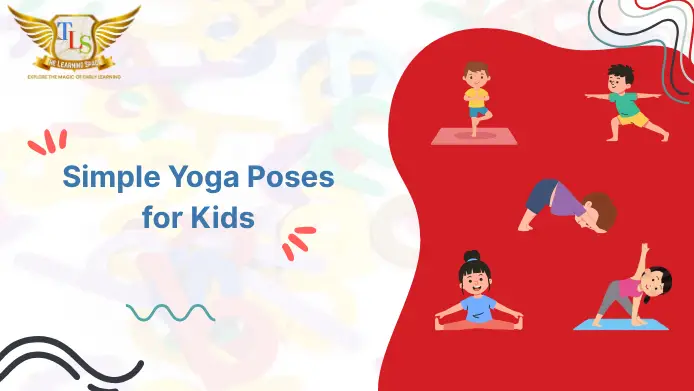
Fun and Simple Yoga Poses for Kids with Big Benefits

Yoga is one of the best ways kids can stretch, have fun, and relax at the same time. It keeps the body strong and the mind calm. These easy yoga postures for kids are not only pretty simple to pick up but also suit any age. So, let’s find some kids’ yoga poses whose names make the whole thing a lot of fun and a bit of a game too. Standing yoga poses for kids with names  With the help of these kids’ standing yoga poses, you will also help your child develop balance, strength, and body control. 1. Warrior Pose (Virabhadrasana) 2. Triangle Pose (Trikonasana) 3. Chair Pose (Utkatasana) 4. Tree Pose (Vrksasana) Sitting Yoga Poses for Kids with names  These seated yoga poses for children are tranquil and will also assist in relaxing their bodies and their minds. 1. Butterfly Pose 2. Easy Pose (Sukhasana) 3. Seated Forward Bend Animal Yoga Poses for Kids with names  These animal yoga poses for kids inspire the children as they get to imitate the movements of the animals. 1. Lion Pose 2. Cobra Pose 3. Frog Pose 4. Cat Pose Tips to Make Yoga Fun for Kids Conclusion Practicing yoga is very beneficial for children to keep them happy and healthy. Yoga poses that are simple and enjoyable can be the kids’ daily practice without any difficulties. Nowadays, more and more parents are introducing yoga in their children’s preschools in Noida and day care in Noida as a part of their daily routine to help the children become strong and calm. FAQ’s for simple yoga poses for kids What is the best age to start simple yoga poses for kids? Children can begin with simple and enjoyable poses as young as age 3 or 4 years. Can simple yoga poses for kids help with stress and anxiety? Yoga benefits children by calming and relaxing their minds and bodies. Are yoga poses safe for kids? Yes, yoga poses are very safe if done gently and under supervision. Can simple yoga poses for kids boost attention and focus? Certainly, regular yoga sessions help in enhancing kids’ ability to focus and concentrate. How often should kids practice yoga poses for best results? Practicing yoga 3 to 5 times a week is good for kids.

Simple and Fun maths activity for nursery class
Blog

Simple and Fun Maths activity for Nursery class

Learning numbers becomes enjoyable when it feels like a game instead of a chore. A good math activity for nursery class can make learning exciting and help children learn without pressure. At this stage of life, children learn best through games, colors, and physical activities. Even simple activities help children understand numbers. Parents and teachers can use fun ideas to teach counting and number recognition. These tiny and amazing activities contribute to children’s learning step by step. With the correct math activity for kids, even the youngest learners can take pleasure in math. Why Maths Activity is Important in Nursery Learning math at an early age prepares children for school. Using simple counting games, the children get to understand the concept of numbers, as well as discover shapes and patterns. A well-planned math activity improves children’s thinking and problem-solving skills. Fun activities make learning stress-free. Children enjoy learning when numbers appear in games. That is why many teachers use fun math games for kids to teach counting and number order. Many educators, therefore, seek new innovative methods for teaching numbers to kids when the time comes to think about how to teach numbers to kids. Top Amazing Maths Activity for Nursery Class Kids Here are some simple and engaging ideas for a maths activity for nursery class. Number Flashcard Game Display brightly coloured flashcards showing numbers 1 to 10. Let kids shout out the number on the card. As an extra step, you can have them clap the corresponding number of times. Counting with Everyday Objects Gather small things like toys, pencils, or fruits. Let the children count them slowly one by one. This math learning activity can turn numbers into tangible things for kids. Number Hop Game Mark numbers on the floor with chalk or paper. Kids jump around from one number to another, counting as they go. Number Matching Activity Give kids two kinds of cards. One has numbers, and the other has pictures. They have to find the correct set of items that goes with the number. Number Puzzle Game Grab a bunch of number puzzles or make your own. Children piece together the puzzle piece that fits with the number. Number Coloring Activity Distribute giant number coloring sheets among the children. They will get to paint the numbers. When the children are coloring the numbers, they can say them aloud. Number Treasure Hunt Put number cards on different spots in the room. Children will enjoy this exciting number hunt. Number Sorting Game Scatter number cards from 1 to 10 and challenge kids to sort them. This math activity helps them understand the number sequence. Number Train Game Sketch a train with several boxes numbered within. Kids arrange the numbers in the correct order to complete the train. Number Fishing Game Cut paper fish with numbers written on them. Children use a fishing rod toy to catch the fish and announce the number they have caught. Tips for Making Maths Activity Fun Conclusion Math can be like a game for little kids. A simple maths activity for nursery class is one of the best ways to get children to like math and also give them a solid foundation in math skills. By playing and experimenting with numbers, kids gain the skills and interest necessary for math. Several schools and a good Preschool in Noida offer creative maths activity for kids to teach counting in an enjoyable manner. While selecting a Day care in Noida, parents should consider those that use playful learning methods. FAQ’s of Simple and Fun Maths activity for nursery class How often should nursery children practice math activities? Children can play short math games daily for about 10–15 minutes. How do fun math activities help preschool learning? Exciting math games for kids are a great way to make kids learn math in a more pleasant way and, at the same time, help them to memorize numbers more quickly. At what age should children start learning math activities? Small kids are capable of learning the basics of counting from the age of two or three. Can math activities help improve a child’s confidence? Definitely. Kids who excel in number games feel great about themselves and their abilities. How long should a nursery math activity session be? To get kids really interested, a nursery math activity session could last 10-20 minutes.

Nursery Admission Interview Questions & Answers for Parents and Child
Blog

Nursery interview questions and answers for Child and parents

Nursery admission is an exciting step for both children and parents. Most schools require the child to answer simple nursery interview questions, enabling the school to understand the child’s basic skills, behavior, and attitude towards the new environment.  Why Do Pre-Schools Conduct Nursery Interviews? Preschools conduct nursery interviews to assess the child’s ability to communicate, their confidence, and their behavior.  Nursery Interview Questions and Answers for Child Simple nursery interview questions are asked of the child to assess their communication skills, attitude, and comfort in a new environment. 1. What is your name? The child should give their name correctly. For example: “My name is Aarav Sharma.” 2. How old are you? The child can give the correct age. For example: “I am four years old.” 3. When is your birthday? The child can say the date or the month of their birthday. For example: “My birthday is in June.” 4. What are your parents’ names? The child should give the names of both parents correctly. For example: “My father’s name is Raj, and my mother’s name is Pooja.” 5. Do you have any siblings? A simple answer will do in this case. For example: “Yes, I have a younger brother.” 6. Where do you live? The child can give the city or area where they live. For example: “I live in Noida.” 7. Can you count from 1 to 10? Teachers can ask the child to count the numbers from 1 to 10 correctly. 8. Can you say a rhyme? The child can recite any nursery rhyme, like Twinkle Twinkle Little Star. 9. Do you like to share your toys? A positive response will be suitable for this question. For example: “Yes, I like sharing toys with my friends.” 10. Who is your best friend? The child can give the name of the friend. Nursery Interview Questions and Answers for Parents Schools also ask nursery interview questions and answers for parents to understand the child better and learn about family support. 1. Tell us about your child. You may describe the nature, interests, and habits of the child in a few words. 2. Why do you want admission to this school? You may state the teaching style, safety, and importance given to the child’s early education. 3. Who spends the most time with the child at home? You may state the individual who spends the most time with the child. 4. How do you discipline your child? You may state that you discipline the child calmly. 5. Is your child comfortable interacting with other children? You may state if the child enjoys playing with other kids. 6. What are your child’s strengths? You may state the strengths of the child. 7. Is your child toilet-trained? You may state the toilet habits of the child. 8. What are your child’s weaknesses? You may state the weaknesses of the child. 9. How do you support your child’s learning at home? You may state the ways you support the child’s learning. 10. What are your expectations from the school? You may state the expectations you have of the school. Tips to Prepare for Nursery Interview It will help the child to feel more confident when answering the nursery interview questions. Self-Introduction Round You should practice the pronunciation of the child’s name, the child’s age, and the names of the parents with the child. It is important to make it more interesting to help the child feel comfortable. Verbal Expression & Language Skills You should have a conversation with the child every day. You should ask the child to speak in short sentences. Foundational Learning Concepts You should teach the child basic concepts such as counting numbers, colors, shapes, and animals. Interaction & Behavioral Skills You should teach the child to greet the teacher, to smile, to listen carefully, and to say thank you. Creative Thinking & Role Play You should engage the child in role-playing games. It will help the child to think, speak, and express better. Believe in Your Child’s Potential You should believe in the potential of the child. It will help the child to feel safe and relaxed. What mistakes should parents avoid during nursery interviews? Parents should always be calm and supportive during the nursery interviews. Conclusion Nursery interviews are informal and friendly conversations. With basic practice, children can easily answer the nursery interview questions for nursery admission confidently. Parents should always be calm and supportive during the nursery interviews. If you are looking for a reliable day care in Noida or a top-rated Preschool in Noida, choose a place that focuses on your child’s happiness and growth. A good school makes this first step in education feel like a fun and exciting journey. FAQ’s of Nursery interview questions and answers for kids and parents

Drawing Activities for Kids
Blog

Drawing Activities for Kids in Preschool

Drawing activities for kids in preschool are typically associated with lots of fun, vibrant colors, and imaginative experiences. Such activities are very beneficial for children as they require both physical movement and mental engagement. Kids love drawing for the simple reason that there are no rules imposed and no pressure applied. They have the freedom to depict their feelings, surroundings, or anything that comes to their mind. Even a basic Kids drawing activity is a great source that brings joy and tranquility. It also doubles up as a wonderful educational tool. Why Drawing Is Vital for Preschoolers Besides developing non-verbal communication skills, a drawing also aids in enhancing hand-eye coordination as well as finger strength. Besides, a drawing activity for kids can help improve concentration and a sense of being patient. While drawing, kids get familiar with different shapes, colors, and patterns. As a result, it supports cognitive development and instills self-belief in kids since their early years. Fun and Easy Art Activities for Preschoolers These drawing activities for kids are both fun and simple, as they require basic materials, yet they result in the creation of big smiles. Finger Drawing Finger drawing is a way for kids to express their creativity simply by using the fingers of their hands. They get their fingers dipped into non-toxic paints and then create artworks on paper. This kind of Kids drawing activity not only develops the tactile sense but also the artistic skills of the child. Children really get a lot of joy from creating a mess as well as using lively colors. Besides, it is a good way to wind down and get into the mood for art. Nature Printing Nature printing, on the other hand, is collected from the surrounding environment, such as leaves, flowers, and even vegetables. The kids get to coat them with paints and then transfer their images onto the paper. This type of Kids drawing activity gives them the opportunity to get close to the natural world. Through the discovery tour, kids get to know the shapes and textures that nature offers in an enjoyable way. Nature printing is a lovely and peaceful way of expressing oneself through art. Shape Stamping Shape stamping involves the use of simple shapes such as circles, squares, etc. Kids get to stamp these shapes by using various objects such as sponges or blocks. This easy drawing activity for kids teaches shape recognition. Furthermore, it helps in the development of the child’s logical thinking and problem-solving skills. Bubble Wrap Painting Bubble wrap painting is both great and enjoyable. Children coat their bubble wraps with paint to make prints on their pieces of paper. The texture of the popping dots is very nice for touching. Besides being a source of curiosity and happiness, this art activity also leads to the improvement of the child’s hand pressure control. Crayon Resist Art In the present method, children sketch with crayons at first. Then they paint over it with watercolors. The lines made by the crayon remain bright and visible. That is a wonderful drawing activity for kids. Besides that, children gain knowledge about cause and effect through the activity. Drawing Using Numbers The kids make animals or objects out of numbers. For instance, the number 2 becomes a swan. This simple Kids drawing activity serves as a tool for number learning. Besides that, it increases imagination and problem-solving skills. Kids get pleasure from learning numbers in a creative manner. Sponge Painting Painting with sponges is a straightforward and non-hazardous activity Children obtain sponges covered with paint and press them onto the sheets of paper. This drawing project is intended to enhance the child’s grasp on the hand and their ability to control it. It is very easy for beginners and the most relaxing one. Children have fun when they mix the colors with their hands in an unrestricted manner. Marble Painting Marble painting is a carefree and energetic type of play. Children receive marbles dipped in paint and put them inside a box. Kids shake the box to create patterns on the paper. Such drawing activity for children is very helpful for their coordination skills. Apart from that, it serves for making nice and unique art pieces. Straw Blowing Art Children blow paint drops through straws. As a result, the paint goes everywhere in a playful manner. Such an art activity serves to strengthen the mouth muscles. Besides that, it leads to improvements in breath control. The kids are fascinated with the way the colors are moving on the paper. Q-tip Pointillism Children utilize Q-tips to create very small dots. They define forms by combining a large number of small points. That uncomplicated drawing activity for children will have the effect of raising their attention span. Moreover, it results in the development of the fine motor skills of the participants. The activity is peaceful and pleasant. Conclusion Drawing activities help children learn naturally. They develop their skills without feeling stress or pressure. Each time a drawing activity is done, it brings the child happiness and confidence. Simple art time is very helpful to the child’s growth, focus, and imagination. Let drawing be a fun and happy part of your child’s everyday life. Parents of the preschoolers often look for a great Preschool in Noida whose main focus is on creative learning. A first-rate Day Care in Noida will have a drawing activity for kids as a part of the daily routine. These centers not only encourage kids to learn through the fun art activities but also provide an area for play that is safe. FAQs for Drawing Activities for Kids

Indoor games for kids
Blog

Indoor Games for Kids in Preschool

Indoor games for kids play a huge part in keeping toddlers entertained, moving, and engaged at home or school. They are safe, simple, and full of fun. Moreover, these games are a natural way for kids to acquire a range of skills. For preschoolers, an indoor play session can be a happy and fruitful experience at the same time.  What Are Indoor Games? Essentially, an indoor game is a game that children play inside a room or enclosed space. They are not dependent on big outdoor playgrounds or areas. Besides being fun, they are educational. In fact, many such games are fun and also help children focus and work together. List of Top 10 Indoor Games for Kids Here’s a straightforward list of the indoor games for nursery class. These 10 indoor games are simple, safe, and extremely fun. Hide and Seek Hide and Seek has got to be one of the most favorite indoor games for kids. After the counting, the seeker tries to find the hidden players. This game increases concentration and also memory.  Ludo Ludo is a popular family board game. While playing the game with the kids, parents and elders can help in teaching them to count and to wait patiently for their turn. It is a lesson of patience and sharing. Ludo is one of the indoor games for nursery class Kids that can engage the children to the maximum if played with the parents. Puzzle Solving Completing a puzzle game is an excellent exercise for the mind. With puzzles done, kids are able to focus more. Also, puzzle games allow children to visually comprehend and connect things. It is a calm, enjoyable, and ideal quiet-time activity for indoors. Block Building Block building games are great to stimulate the creative side of a child. Kids are free to create a tower, a house, a road, and more out of the blocks. This game facilitates hand-eye coordination and also encourages creativity. The game also works on the concepts of balance and planning in a fun and indirect manner. Carrom Carrom is a well-known indoor board game for children. While playing, kids practice aiming and control. It is also a great method to enhance hand-eye coordination. Preschool kids, if given a little adult help, can play this game safely and have fun with it. Jenga Jenga is a building game that children enjoy thoroughly. This game helps to develop focus and patience among children. It is fun and laughter-filled for children. Hopscotch One can play hopscotch indoors using pieces of tape on the floor. It contributes to bodily movement, and also counting skills get enhanced. Of all the indoor games for kids, this is definitely one of the most energetic. Musical Chairs Musical chairs is an exciting group game. Children move around the chairs when the music is playing. As soon as the music stops, they have to quickly take their seats. It is full of energy and fun. Guessing Games Guessing games are quite easy and really interesting. These games help improve thinking and speaking abilities. You can play guessing games wherever you are, indoors or outdoors, quite easily. Pictionary Pictionary is a combination of a drawing and a guessing game. One kid sketches while the other kids guess what the picture is. It encourages kids to show their ideas through drawing. This game develops creativity and communication skills. Conclusion Indoor games for kids are the best option for preschoolers. Through these games, kids get to develop their skills while they enjoy playtime. Using the list of indoor games, parents and teachers can organize fun indoor activities every day. The day at a good Preschool in Noida will be filled with learning through play. Playing indoor games for kids will be a part of the daily routine. A good Day Care in Noida uses fun indoor games to support the growth, safety, and happiness of every child. FAQ’s for Indoor Games for Kids

Blog

Human Body Parts Names in English: Complete Guide for Kids

The very first and extremely crucial lesson for kids is to name the body parts in English. By doing so, children are able to comprehend their own bodies through an enjoyable and easy process. Moreover, the naming of human parts gives children the ability to express themselves accurately concerning health, emotions, and everyday activities. This manual is composed in the simplest of English so that everyone – kids, parents, and teachers – can have a great time learning together. Why Teach Parts of the Body Names in English to Children? Teaching parts of body names in English has a significant impact on language development for children at the very beginning of their lives. It enhances their speaking, reading, and comprehension skills. The children can better describe the situation when they understand the human body and can communicate their pain, feelings, and requirements effectively. The process of learning body parts also indirectly ensures that the kids are safe, healthy, and assertive in their everyday lives. Main Categories of Human Body Part Names in English The human body is composed of numerous parts, and these parts are classified into a few simple categories. By using these groups, children can learn more straightforwardly and systematically. The principal categories are parts of the head and face, parts of the upper body, parts of the lower body, and internal body parts. Head and Face Parts The head and face play a major role in our thinking, seeing, hearing, smelling, and speaking. They are the most important parts of the body for daily interactions and communication. So, knowing the names of these parts will enable children to express feelings and actions with no difficulty at all. Head and Face Parts Names in English: Head, Hair, Scalp, Forehead, Eyes, Eyebrows, Eyelashes, Ears, Nose, Cheeks, Mouth, Lips, Teeth, Tongue, Chin, Jaw, Face Upper Body Parts Upper body parts not only assist us in moving but also in lifting, holding, and doing work; thus, the latter parts provide the body with the needed strength and support. Teaching the names of the body parts gives the kids knowledge of movement and posture. Upper Body Parts Names in English: Neck, Shoulder, Chest, Back, Spine, Waist, Abdomen, Stomach, Arm, Upper Arm, Elbow, Forearm, Wrist, Hand, Palm, Fingers, Thumb, Fingernails Lower Body Parts  The lower body parts are the ones to thank for our standing, walking, running, and jumping; they are the body’s support and the major players in balancing the body. During the process of learning the names of lower body parts, children find it fun to play and move. Lower Body Parts Names in English: Hip, Thigh, Knee, Leg, Calf, Ankle, Foot, Heel, Sole, Toes, Toenails Internal Body Parts Internal organs are responsible for the body’s functions; they are necessary for us to exist and be healthy. Children need to realise that these parts are the most important ones, although we can’t see them. This is a major factor in children grasping the concepts of basic health and care. Internal Body Parts Names in English: Brain, Heart, Lungs, Liver, Kidneys, Stomach, Intestines, Pancreas, Spleen, Bladder, Gallbladder Conclusion Learning the human part names in English is a fun and handy process for children of all ages. It makes them comprehend their body, articulate well, and keep the doctor away. By learning step by step, children can easily remember the names of all the human body parts in English. Parents and teachers could resort to pictures, games, and songs for making the whole learning process enjoyable. FAQs for Human Body Parts Names Which body parts help us sense things? Our eyes make us see, ears hear, nose smell, tongue taste, and skin feel. What body part do we use to eat food? We make use of the mouth, teeth, and tongue for eating food and chewing it well, respectively. What is the largest organ in the human body? The skin is the organ that occupies the largest area in the human body. What is the most important part of the body? Every part of the body plays its role, but the brain and heart are the most significant, as they control thinking and life’s processes. How can children easily learn human body part names in English? The kids can make it real easy by availing of pics, tunes, games, stories, and daily practice with their parents and teachers.

Blog

Personal Hygiene for Kids: Importance, Types of Hygiene, and Simple Rules to Follow

Personal hygiene for kids implies cleansing and maintaining the body; thus, cleanliness and health are the outcomes of these practices day to day. Good personal hygiene helps kids stay physically and mentally active and in a good mood. Moreover, it acts as a barrier against germs and diseases. When children observe the simple hygiene rules for kids, they gain self-assurance wherever they are, either at home or school, and also during playtime with peers.  What Is Personal Hygiene for Kids? Personal hygiene for kids is the daily process of cleaning and taking care of the body. It includes washing hands, brushing teeth, bathing, putting on clean clothes, and eating hygienic food. These practices keep children healthy and free of infections. Personal hygiene also imparts discipline and self-care to kids.  Importance of Personal Hygiene for Kids Types of Hygiene Kids Should Learn Children’s daily routine must include various types of hygiene. Teaching these hygiene practices to children is like giving them a ticket to ride the clean, safe, and healthy express. Oral Hygiene Oral hygiene is the practice of keeping the mouth clean. The best practice for kids is to brush their teeth twice a day. Rinsing the mouth after having meals also helps. The strong teeth and the healthy gums are both the result of good oral hygiene. Hand Hygiene Hand hygiene is one of the most significant hygiene rules for children. Hand washing before meals and after using the restroom should become part of kids’ daily routines. Also, washing hands immediately after going outside to play is equally vital. Toilet Hygiene Toilet hygiene is a lesson that trains kids on how to remain clean after using the toilet. Proper flushing and hand washing are the must-dos in this case. They should use toilet paper judiciously and ensure that the toilet area is clean.  Clothing Hygiene  Clothing hygiene is all about being adequately attired and well-groomed. It is expected that kids would change clothes on a daily basis. Moreover, wearing clean clothes not only keeps children hygienic but also makes them feel fresh and comfortable.  Bathing & Body Hygiene  Bathing and body hygiene are closely related. Kids’ bodies should be free not only from dirt but also from sweat and germs. Daily or every alternate day, bathing should be the practice of kids. The body has to be washed to keep the skin healthy.  Healthy Eating Hygiene Healthy eating hygiene is synonymous with clean and safe eating. So, kids are to wash their hands before each meal. Fruits and vegetables, too, should be thoroughly washed. This habit is good for one’s stomach health. Good Coughing Manners Good coughing manners protect others from germs. Thus, kids should cover their mouth with a tissue or elbow while coughing or sneezing. It is also a good practice to wash hands after coughing.  Basic Grooming Habits Basic grooming habits include combing hair, trimming nails, and maintaining cleanliness of the face. Long nails are a good place for dirt and germs to hide. Neat grooming not only makes kids look clean but also gives them confidence. Effective Ways to Teach Hygiene for Kids Teaching kids hygiene should be easy, enjoyable, and full of love. Conclusion Personal hygiene is a life skill for children that ensures their good health and happiness. The earlier kids learn personal hygiene, the more responsible adults they will be. Basic hygiene practices for children keep them safe from a variety of diseases. Teachers and parents are the main people who help children to acquire the hygiene habit.  FAQs for Personal Hygiene for Kids At what age should children start learning hygiene habits? Children can start learning hygiene habits at the age of two or three. Simple habits like hand washing can be introduced early. What happens if children do not follow hygiene habits? Poor hygiene can result in illness, infections, and skin problems. Additionally, it can negatively impact a child’s self-esteem and level of comfort. How can hygiene habits become a daily routine? Hygiene habits become part of the daily routine when they are practised at the same time every day. Repetition and reminders are very effective in this regard. What hygiene habits should kids follow at school? Kids must wash their hands, use toilets that are sanitary, cover their mouths when coughing, and keep lunch areas tidy. How can hygiene habits help kids stay healthy? Proper hygiene eliminates germs from the body. It lessens the likelihood of sickness, which in turn keeps children active and full of life.

Blog

Phonics Learning for Kids in 2026

One of the best gifts that a child can get in 2026 is phonics learning. This skill helps kids understand how letters and sounds work with each other to be able to produce some meaningful sounds or words. It is phonics for kids that makes reading not scary but easy and pleasant. In general, kids learn step by step in calm and friendly ways. Nowadays, using stories, songs, and phonics games for kids should make learning fun for them. Phonics learning for kids lays a strong base for reading, writing, and speaking English. When kids start early, they grow with confidence and learn something new every day. What is Phonics for Kids? Parents often wonder, what is phonics for kids? In simple terms, phonics is teaching the sounds of letters to kids. Kids learn to take those letters and join them to make words. For instance, they will learn that “c” has a “kuh” sound. Basic phonics for kids helps them become independent while reading new words. It is one of the easiest and wisest ways to begin reading. When to Introduce Your Child to Phonics You can introduce phonics for kids when they are around 3 to 4 years old. Children at this age love sounds and songs. Even simple talk and play can commence phonics learning in kids. There is no hurry. Every child learns at his or her own pace. Why Are Phonics Skills Important? Phonics skills help children to read, spell, and speak better. They help children think that learning English is not a torturous task; rather, it is natural and easy. 1. Helps Kids Read Faster When children know the letter sounds, they can read words fast. They do not guess words. They do this to enjoy reading more books. 2. Builds Strong Reading Skills Phonics teaches children to read any new word. This creates strong, lifelong reading. 3. Improves Spelling Phonics words help kids hear sounds more clearly, and when kids hear sounds, they spell words better. 4. Boosts Confidence Reading without fear builds confidence. Children feel proud when they read independently. It allows for better comprehension. 5. Supports Better Understanding Smooth reading allows children to understand stories better. This in turn helps them at school and generally in life. 6. Makes learning fun With phonics games for kids and songs, learning feels like fun, not a study. How Can You Practice Phonics at Home? Parents can also practice phonics learning for kids at home with simple daily activities. Activity Title Description Learn Letter Start with letters A to Z. Show one letter at a time. Say its sound slowly and clearly. Play Sound Games Employ phonics games for kids, such as guessing sounds. Example: “What sound does ‘b’ make?” Keep it light and fun. Try Rhyming Rhyming words help students hear the sound. Cat, bat, hat-these are simple and fun. Sing together Song plays are one of the great phonics activity for kids. Singing helps kids to remember sounds easily. Talk Often Engage your child in a conversation daily. Distinctive speech enables children to pick up the sounds much quicker. Spot Around Words Point out signs, books, and labels. Assist children in finding phonics words for kids in real life. Steps for Teaching Phonics Teaching phonics for kids works best when done step by step. Teach the ABCs- Introduce alphabet names. Have the children sing the ABC song regularly. Teach each letter’s sound- After the names, teach the sounds. For example, “a” sounds like “ah.” Join sounds to make words- Show how sounds join. “c-a-t” is “cat.” This is basic phonics for kids. Split words into sounds- Ask children to break words up into sounds. This can enhance listening skills. Start with easy small words- Start with simple words like “sun,” “pen,” and “dog.” Easy wins build confidence. Teach sounds like sh, ch, th- Once the kids are ready, it’s time to teach special sounds. Give simple examples and pictures. Teach vowel sounds- Vowels are crucial. First teach the short vowel sounds, followed by the long ones later. Use word patterns like “at” and “in.”- Patterns help kids read faster. Words like “cat,” “bat,” and “rat” just feel easy. Read Short, Simple Sentences- Paragraphs should be short. Kids are doing a slow, happy reading. Practice every day with fun games- Daily practice matters. Phonics activities for kids can be done using flashcards, jigsaw puzzles, and even song melodies. Conclusion Phonics learning among kids is the very foundation of good reading and speaking. Many parents, in 2026, prefer phonics classes for kids to support early learning. Children learn more and faster if taught with love, patience, and fun activities. You can practice phonics for kids at home or with the teachers. The key is to keep learning joyful. Strong phonics skills help kids succeed both in and out of school.

Blog

How to Make Your Child Confident and Build Their Self-Confidence

As a parent, it’s every child’s dream to feel strong, happy, and confident. Confidence gives children the ability to speak up for themselves, reach out and explore their world, and meet challenges with no fear in their hearts. Children feel confident about doing something by thinking, “I Can Do This!” even when it seems difficult. This is the foundation of how to make your child confident and support emotional growth. The best thing about confidence is that children aren’t born with it. Confidence develops slowly when children feel loved, supported, and taken care of every day. When you support your child with patience and kindness, you encourage them to trust themselves. Small things done at home make a big difference. Your child can become very confident if we learn how to build self confidence from an early age. 12 Simple Tips to Increase Your Child’s Self-Confidence These are easy tips that will assist you in determining how to boost kids confidence levels each day. You do not need anything. These daily habits help parents understand how to build confidence in kids naturally. Be confident yourself Kids learn by watching you. If you can remain calm and positive, this behavior will be learned by the child. Speak positively about yourself and others too. You can demonstrate that you believe in yourself even in tough situations, which helps build confidence in kids. Don’t get upset at mistakes Making mistakes is all part of the learning process. Just because you shout or get angry means your child may feel too frightened to try again. What you should do is tell them calmly what they did wrong. This approach supports how to build self confidence in children. Let them try new things Your child should learn to challenge themselves by trying out new games, hobbies, or learning new things. These can range from sports and arts to simple house chores. Children learn to understand that they can learn any skill given time, which is essential in how to boost kids confidence. Let them fail sometimes It is not bad to fail. It teaches plenty of lessons. If kids fail and then start attempting again, they become stronger. It is a major milestone when it comes to how to build confidence in kids. Praise their hard work Don’t praise success exclusively. Encourage kids to praise effort instead. Let them hear you say, “I am proud of the effort you put in.” This helps kids learn the importance of effort over achievement and instill confidence in them for a lifetime. Help them find what they like Every child is unique. Some like drawing, some like numbers, and some like helping others. When kids do things that they can enjoy, they feel proud of themselves and shine on their own. Help them set small goals Big dreams may frighten children. Create steps for those dreams. When the child meets the step, he or she feels happy and proud. This is an effective method for how to raise a confident child. Cheer for their effort Clap, smile, and encourage your child even when their results are not great. It tells children, “We believe in them.” This support plays a strong role in how to make your child confident. Ask them to help Assign little tasks to your child. Encourage them to assist with table settings or to water plants. Helping brings a sense of pride to a child and helps build confidence in kids. Accept mistakes are okay The message to be conveyed to the child is that everybody makes mistakes, even parents. You also share some of your personal mistakes with your child. This teaches how to build self confidence through acceptance. Give them chances to succeed Select activities suited to your child’s age and ability. Achievement leads to confidence. Gradually raise the level of difficulty as they mature. It is essential in how to raise a confident child. Show love every day Hugs, kind words, and spending time with the child mean much to parents. Children who feel loved without conditions feel safe. “A loved child becomes a confident child.” Conclusion Confidence builds up slowly, day by day. You do not have to be perfect to help your child. Small deeds such as listening, encouraging, and showing them love can work miracles. When you encourage your child during both success and failure, you will help them to develop confidence in believing in themselves. This is the key to how to boost kids confidence and support lifelong growth. FAQ’s

Scroll to Top